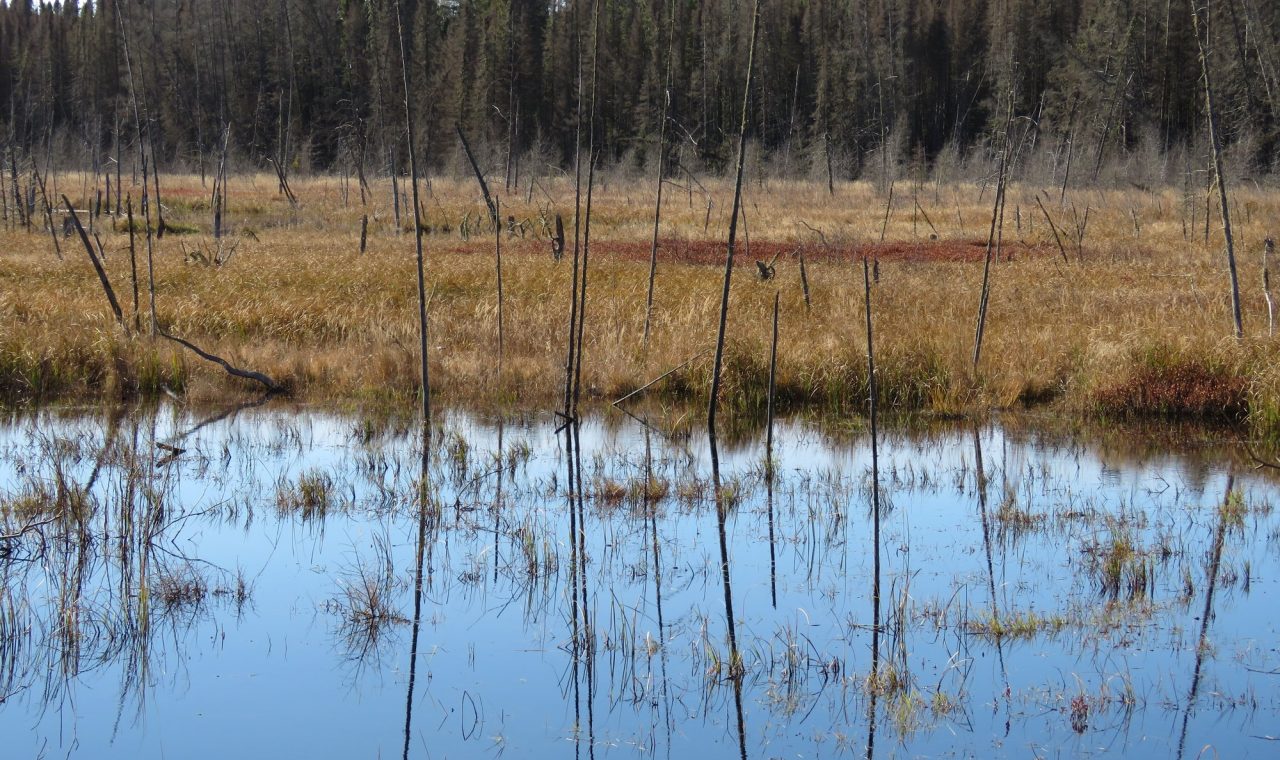
One morning the lake looks like glass. The summer spots that still produced a week ago go quiet. The fish did not vanish. The water changed.
In late fall, many northern lakes go through what biologists call turnover. Through the summer, those lakes sit in layers. Warm water stays on top. Colder, denser water sits below, often with a sharp middle band called the thermocline, where a lot of bait and game fish spend the season. As nights get long and the surface cools, that top layer sinks. When the temperature evens out, the lake can mix from top to bottom.
The mix does not always announce itself with a storm. It can arrive on a still, gray morning in late October or November, depending on the lake and how far north you are. Water that had been clear may turn dull or slightly stained. Some anglers notice an earthy smell as water from the bottom comes up. The weed edges and shallow humps that had been reliable in early fall can go dead almost overnight.
Where the Fish Go
During the mix, dissolved oxygen and temperature are in flux, and fish often scatter. Walleye, trout, and baitfish that had held on a summer thermocline or a green weedline may leave those exact spots. This is why a late-November trip can feel like someone drained the lake. The fish are usually still there. They have moved off the familiar shallow edges and begun to group again on deeper structure: channel breaks, basin edges, points that drop into the main lake, and last remaining green weeds that still hold bait.
Once the lake finishes mixing, oxygen is more even from top to bottom, and the bite often steadies. In cold, clear water, fish may hug the bottom along those breaks rather than roam the shallows the way they did in September. Electronics help. So does covering water instead of sitting on last month’s waypoint.
What Works After the Mix
Search first. A slow troll with a crankbait or a spinner along the first sharp break can tell you if fish have set up there. If you mark a school and they will not lift, a jig or a metal spoon worked close to the bottom is often enough. Keep the presentation steady and close to the fish. Cold water does not usually call for a frantic retrieve.
Watch the water itself. A sudden change in clarity, a surface that goes flat and dull, or a stretch of shoreline weeds that look like they went slack overnight are signs the lake may be turning, or has just turned. Give those summer edges a short look, then move deeper if they are empty.
Turnover is not a reason to stay home. It is a reason to stop fishing last month’s map. The still morning is the clue. The fish left the shallows because the lake mixed. Follow the break into deeper water and start over from there.
Featured photo: late-season lake water in Superior National Forest, U.S. Forest Service, public domain.